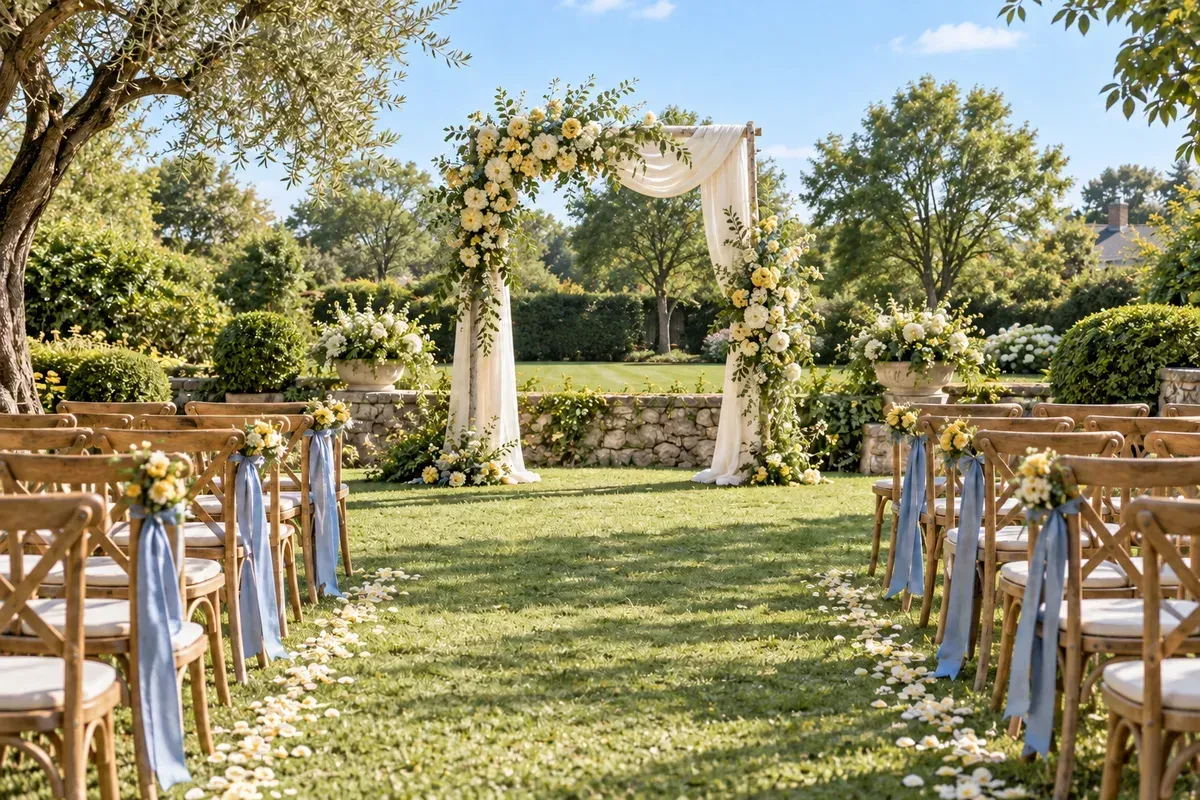
Long Island Ceremony & Cultural Celebration Guide
A meaningful ceremony begins with the people and traditions it honors. When searching for a Long Island officiant, cultural performer or ceremony host, start by describing your family’s wishes in your own words. A provider should help you clarify the experience rather than fit every celebration into the same script. The right questions make room for religious requirements, personal preferences, language and the comfort of guests.
Choose the person who leads the ceremony
Wedding officiants and civil celebrants may offer different approaches to preparing a ceremony. Ask who writes the script, how you review it and how much participation is expected from the couple. Religious officiants should be selected with attention to the specific faith community and its requirements. A provider’s general experience does not establish authority or recognition within every tradition.
Interfaith officiants can help explore how families want different beliefs represented, but do not assume every desired combination is possible or appropriate. Involve the relevant faith leaders and family members early. Bilingual officiants can make the spoken ceremony more accessible; clarify which portions use each language, who approves translations and how the length will change.
For a legal wedding, use the New York State Department of Health’s marriage information and confirm requirements with the issuing clerk and chosen officiant. A personalized ceremony plan and the applicable marriage formalities are separate conversations. Confirm the chosen officiant’s eligibility with the issuing clerk.
Mark other family milestones thoughtfully
Naming ceremony officiants and baby blessing leaders should understand whether the family wants a secular celebration, a religious observance or another specific practice. Ask how parents, siblings and other relatives can participate and what preparations are expected. Choose timing and a quiet retreat space around the child’s needs rather than treating the ceremony as a rigid performance.
Memorial celebrants help families shape a remembrance with a different emotional purpose from a party. Discuss tone, speakers, music and which stories may be shared publicly. Cultural ceremony leaders and ritual specialists should explain their experience with your specific community and the exact observance. Avoid assuming that similar names or visual elements make different traditions interchangeable.
Let music and movement support the meaning
Ceremony musicians and ceremony singers need a clear sequence: guest seating, entrances, meaningful moments and departure. Ask about repertoire, pronunciation, arrangements and any requirements set by the ceremony leader or venue. Traditional drummers and cultural dance groups should be described by the particular tradition and format requested. Explain whether the performance is ceremonial, participatory or entertainment so everyone prepares appropriately.
Choreographers and first dance lessons can help participants feel comfortable with a planned moment. Share the available rehearsal time, clothing and footwear, and whether the goal is a simple confident dance or a detailed routine. Ask about adapting the plan to the participants’ mobility and confidence without assigning them an unwanted spotlight.
Ask about the actual tradition, not a generic package
Mehndi artists, sangeet performers and baraat performers support different parts of celebrations in communities that observe them. Explain the family’s specific preferences and let the relevant providers clarify their roles, preparation and timing. Do not assume every South Asian wedding includes all three or follows one sequence.
Hora dance leaders can discuss the intended participation and coordinate the music and space with the host. Tea ceremony hosts should ask about the family’s particular customs, order of participants and meaningful objects. Lion dance performers need a conversation about the chosen performance, entrance route, sound and available space. Each belongs in a plan because the family wants it, not because it appears on a generic cultural checklist.
Multilingual hosts and interpreters also have distinct jobs. A host welcomes and guides the group; an interpreter conveys spoken content between languages. Ask whether you need one role, both roles or written translations as well. Review names and pronunciations in advance, especially when multiple generations will contribute.
Compare preparation as carefully as performance
Area | Useful question | Planning benefit |
|---|---|---|
Experience | How have you supported this specific tradition or format? | Reveals relevant knowledge without assumptions |
Script and sequence | Who reviews words, music and participant order? | Prevents unwelcome surprises |
Rehearsal | Which participants need to practice together? | Makes entrances and transitions calmer |
Objects and setup | Who brings, places and removes each required item? | Avoids missing meaningful details |
Coordinate the Long Island setting
Before agreeing to the ceremony plan, give the provider the precise room and venue contact. Confirm sound arrangements, arrival access, changing space and any restrictions on procession routes, amplified music or ceremonial materials. If events occur at different locations, allow the transport operator and coordinator to build a realistic transition.
Make the experience understandable for guests who are unfamiliar with it. With the leader’s approval, a short printed explanation or welcoming introduction can invite respectful participation. Ask about comfortable seating, sightlines and accessible paths. Decide who will help late arrivals so the ceremony leader can stay focused.
A respectful inquiry template
We are planning [ceremony or celebration] on [date] in [town]. Our family wishes to include [specific traditions and preferences], with [languages] spoken. We expect [guest count] and would like [level of participation]. Please explain your relevant experience, preparation meetings, script review, rehearsal, required items, venue needs and complete scope.
Frequently asked questions
Can we combine traditions in one ceremony?
Discuss your wishes with the relevant leaders before planning the sequence. Compatibility and meaning depend on the specific traditions and participants.
Do we need a bilingual host and an interpreter?
It depends on the event. Ask who will guide the program and who will translate substantive remarks; one provider may not offer both roles.
Should every cultural performance involve guests?
No. Some are intended to be watched, while others invite participation. Ask the provider and communicate the appropriate expectations clearly.
Bring your plan back to EZ Peasy
Use EZ Peasy as the starting point for your Long Island party plan. Customer booking is coming soon. Keep your date, town, guest count and the questions from this guide together in one brief so your next conversation is specific.
Explore more Long Island party planning guides:
Still choosing the shape of your celebration? Find more EZ Peasy party ideas by occasion, or build your planning checklist.
